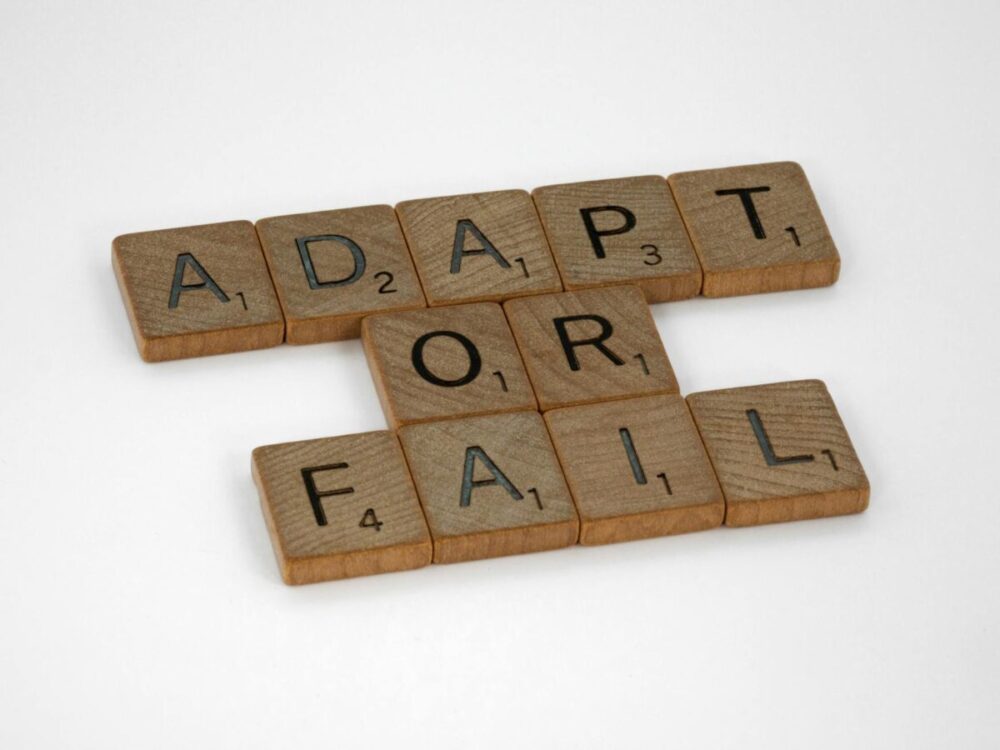
In today’s fast-evolving workplace, adaptability isn’t just a soft skill—it’s a strategic advantage. Whether you’re navigating new technologies, shifting team dynamics, or unexpected project changes, your ability to adjust quickly and effectively sets you apart.
According to Rework’s 2025 Guide, adaptability is now considered the “top skill of the moment” due to the rise of AI, remote work, and digital transformation. With half of today’s valued skills expected to be outdated by 2025, professionals who can learn, unlearn, and relearn are best positioned for long-term success.
What Are Adaptability Skills?
Adaptability skills are traits and behaviors that help you adjust to new circumstances, challenges, and environments. These include:
- Flexibility: Willingness to change plans or approaches
- Emotional resilience: Staying calm and focused under pressure
- Problem-solving: Thinking critically in unfamiliar situations
- Learning agility: Seeking out new knowledge and applying it quickly
- Collaborative communication: Navigating change with others effectively
As Yale School of Management explains, adaptability means “changing your behavior, thoughts, and actions in response to new or unexpected situations.” It’s about thriving—not just surviving—when things shift.
Why Adaptability Skills Matter
Adaptability fuels innovation, resilience, and leadership. In the workplace, it helps you:
- Stay relevant: You evolve with industry trends and technologies
- Lead change: You guide teams through uncertainty with confidence
- Solve problems creatively: You find solutions when plans fall apart
- Reduce burnout: You manage stress and maintain perspective
- Advance your career: Adaptable professionals are more likely to be promoted and trusted with complex projects
According to Indeed, employers value adaptability because it reflects emotional intelligence, initiative, and the ability to work well under pressure. It’s especially critical in roles that involve leadership, innovation, or cross-functional collaboration.
How to Improve Your Adaptability Skills
Adaptability is a skill that can be developed intentionally. Here are five strategies to help you grow:
1. Embrace a Growth Mindset
Believe that your abilities can improve with effort. This mindset helps you view change as an opportunity rather than a threat. As Harvard Business Review notes, growth-oriented professionals tend to be more resilient and open to feedback.
2. Practice Self-Awareness
Reflect on how you respond to change. Journaling or peer feedback can help you identify patterns and areas for growth. Self-awareness enables you to regulate emotions and make thoughtful decisions.
3. Strengthen Emotional Intelligence
Adaptable professionals manage their emotions and empathize with others. Practice active listening, manage stress effectively, and remain open to feedback. Emotional intelligence supports collaboration and conflict resolution.
4. Seek Out New Experiences
Challenge yourself with unfamiliar tasks, roles, or environments. Trying new things builds confidence and flexibility. Whether it’s learning a new tool or joining a cross-functional team, exposure to change strengthens your adaptability.
5. Learn Continuously
Stay curious. Take courses, read industry news, and ask questions to stay informed. Learning agility is crucial for adapting to rapidly changing fields. As Rework emphasizes, “Adaptable employees are 3x more likely to be promoted within 18 months.”
Final Thoughts
Adaptability is more than a survival skill—it’s a career accelerator. By staying flexible, emotionally aware, and open to growth, you’ll thrive in any environment and become a go-to leader during times of change.
Explore more strategies to future-proof your career in our Career Skills hub.
Last updated on March 9th, 2026 at 01:00 pm
Share this:

Discover more from Qwery M
Subscribe to get the latest posts sent to your email.

Melinda Osman is a content creator and strategist, and the founder of Qwery M. With a background in HR and digital publishing, Melinda empowers readers to thrive in their careers, lifestyles, and blogging. Discover practical tips, personal insights, and join a vibrant community. Learn more—click here.