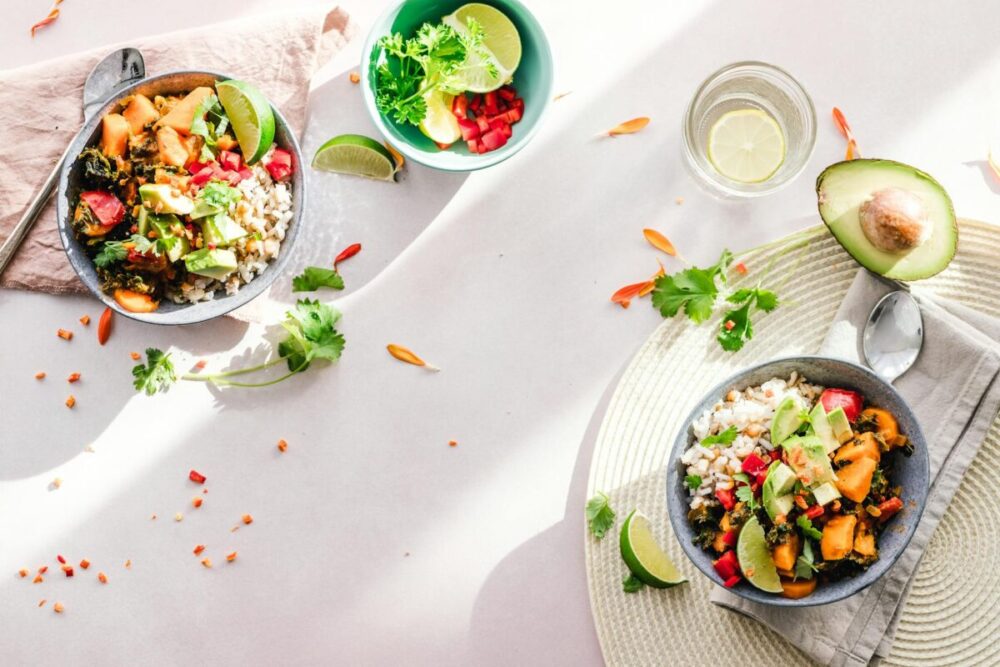
Chronic inflammation is at the core of many health issues, including arthritis, heart disease, asthma, and various autoimmune disorders. The good news is that your diet can play a decisive role in managing inflammation and supporting overall wellness. The Anti-Inflammatory Diet highlights nutrient-dense foods packed with antioxidants, omega-3 fatty acids, and phytochemicals—elements that help soothe inflammation and promote health from the inside out.
What Is the Anti-Inflammatory Diet?
This diet isn’t about strict restrictions but about embracing a variety of delicious, wholesome foods proven to lower inflammatory markers in the body. It emphasizes colorful vegetables, fruits, healthy fats, and high-quality proteins, while limiting processed foods, refined sugars, trans fats, and artificial ingredients. According to arthritis.org, focusing on anti-inflammatory foods can significantly help reduce joint pain and improve mobility.
What Do Meals on an Anti-Inflammatory Diet Look Like?
Here are some meal ideas that incorporate these principles:
Breakfast:
- Overnight oats topped with blueberries, walnuts, and cinnamon
- Scrambled eggs with spinach and tomatoes, drizzled with olive oil
- Green smoothie with kale, avocado, banana, and chia seeds
Lunch:
- Grilled salmon salad with mixed greens, bell peppers, cucumbers, and lemon-olive oil dressing
- Quinoa bowl with roasted sweet potatoes, broccoli, chickpeas, turmeric, and sesame seeds
- Lentil soup with carrots, celery, and herbs, served with whole-grain bread
Snack:
- Sliced apple with almond butter
- Carrot and cucumber sticks with hummus
- Mixed nuts like almonds, walnuts, or Brazil nuts
Dinner:
- Baked mackerel or sardines with sautéed greens and cauliflower rice
- Stir-fried vegetables with tofu or shrimp in coconut or olive oil, over quinoa
- Turkey meatballs with zucchini noodles and a tomato-basil sauce
Dessert (Optional):
- Fresh berries sprinkled with flaxseed or chia seeds
- Banana slices topped with Greek yogurt and honey
Tips to Embrace the Anti-Inflammatory Lifestyle
- Prioritize Whole, Unprocessed Foods: Always choose fresh produce, lean proteins, nuts, and seeds.
- Add Color to Every Plate: Bright fruits and vegetables contain phytochemicals and antioxidants that combat inflammation (Better Health Victoria).
- Choose Healthy Fats: Olive oil, avocado, and omega-3-rich fish like salmon, mackerel, and sardines are your allies (Hackenack Meridian).
- Limit Sugar and Processed Foods: Reducing intake of sweets, sodas, and fried foods can significantly decrease inflammation (Mayo Clinic).
- Flavor with Herbs and Spices: Turmeric, ginger, garlic, and cinnamon not only enhance flavor but also boost your body’s anti-inflammatory response.
Why Follow an Anti-Inflammatory Diet?
Besides decreasing inflammation, this dietary approach can help you:
- Improve joint health and reduce arthritis pain (The Arthritis Foundation)
- Support heart health by lowering blood pressure and cholesterol levels (Brown University)
- Enhance brain function and energy levels
- Boost immune response and reduce autoimmunity symptoms
- Achieve and maintain a healthy weight
Final Thoughts
Adopting an anti-inflammatory diet isn’t about deprivation; it’s about loading your plate with vibrant, wholesome foods that heal and energize. Start small—add a handful of berries to breakfast, swap to olive oil, include oily fish twice a week—and over time, these simple changes can help you feel better in your body and mind. Explore recipes, experiment with herbs, and embrace this nourishing lifestyle for a healthier, more vibrant life. Unlock a world of delicious food and recipe inspiration by visiting our blog today!
Last updated on March 9th, 2026 at 12:24 pm
Share this:

Discover more from Qwery M
Subscribe to get the latest posts sent to your email.

Melinda Osman is a content creator and strategist, and the founder of Qwery M. With a background in HR and digital publishing, Melinda empowers readers to thrive in their careers, lifestyles, and blogging. Discover practical tips, personal insights, and join a vibrant community. Learn more—click here.