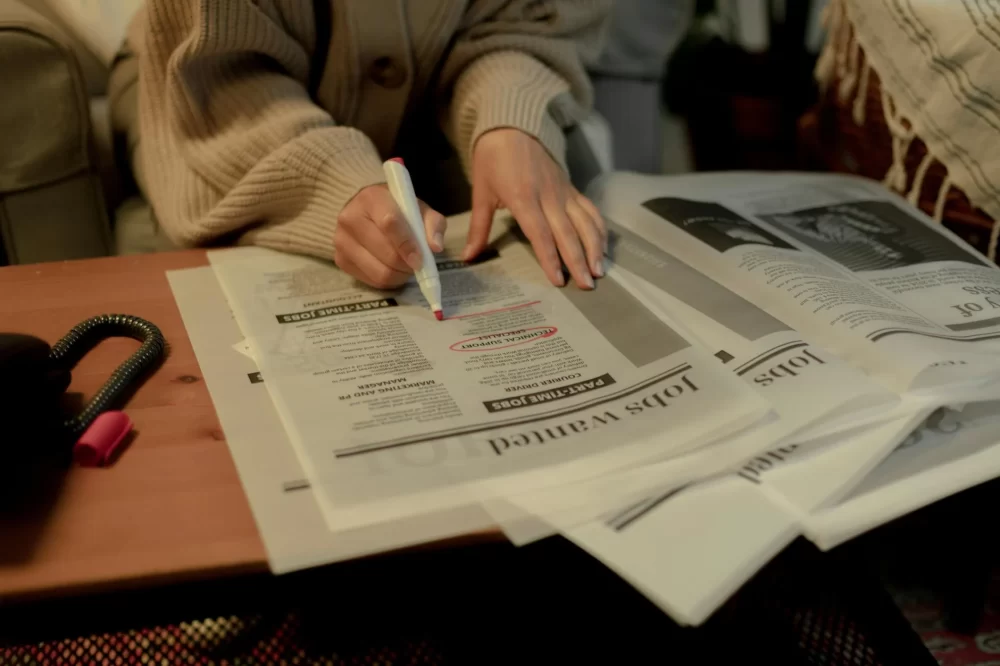
In today’s dynamic job market, knowing how to describe your skills is just as important as having them. Whether you’re switching industries or climbing the career ladder, understanding the difference between transferable skills and soft skills helps you tailor your resume, ace interviews, and position yourself for success.
According to TPP Recruitment, many job seekers confuse these terms or use them interchangeably. But each plays a distinct role in how you communicate your value to employers—and how you adapt to new roles.
What Are Transferable and Soft Skills?
Transferable Skills
Transferable skills are abilities you can apply across different roles, industries, or contexts. They’re often practical or technical and gained through work experience, education, or personal projects. Examples include:
- Project management
- Time management
- Communication
- Problem-solving
- Leadership
These skills are beneficial when changing careers or moving into new job functions. As TPP notes, transferable skills “enable individuals to switch careers or adapt to new challenges with ease.”
Soft Skills
Soft skills are personal attributes that shape how you interact with others and manage work-related situations. They’re often referred to as “people skills” and include:
- Emotional intelligence
- Adaptability
- Teamwork
- Resilience
- Conflict resolution
According to PhysioInQ, soft skills are crucial for building relationships and fostering a positive work environment. They’re less measurable than hard skills but deeply impactful.
Why the Difference Matters
Understanding the distinction between transferable and soft skills helps you:
- Tailor your resume: Highlight transferable skills for role-specific tasks and soft skills for team dynamics.
- Prepare for interviews: Use examples that show how you’ve applied both types of skills in real scenarios.
- Communicate your versatility: Show employers you’re both technically capable and emotionally intelligent.
- Navigate career transitions: Transferable skills help you pivot; soft skills help you integrate into new teams.
- Strengthen leadership potential: Leaders need both strategic thinking (transferable) and empathy (soft).
As Westgate Resorts explains, “Soft skills shape how you interact with others, build connections, and create memorable experiences,” while transferable skills help you execute tasks across roles.
How to Improve Both Skill Types
1. Reflect on Past Experiences
Identify situations in which you used transferable skills, such as problem-solving or time management. Then consider how soft skills, such as empathy and adaptability, helped you succeed.
2. Use the STAR Method
When preparing for interviews, structure your answers using the S.T.A.R. method: Situation, Task, Action, and Result. This helps you showcase both skill types with clarity and impact.
3. Seek Feedback
Ask peers or mentors for input on your communication style, leadership approach, or collaboration habits. Feedback helps you refine soft skills and recognize transferable ones.
4. Take Courses and Workshops
Enroll in training programs that target specific skills—like project management (transferable) or emotional intelligence (soft). Platforms like Coursera and LinkedIn Learning offer tailored options.
5. Practice in Diverse Settings
Volunteer, join cross-functional teams, or take on stretch assignments. These experiences help you apply and strengthen both skill sets in new contexts.
Final Thoughts
Transferable and soft skills work together to shape your professional identity. By understanding their differences and developing both, you’ll become a more adaptable, practical, and promotable candidate—ready for whatever your career path brings next.
Explore more strategies to elevate your skills and career in our Career Skills hub.
Last updated on March 9th, 2026 at 12:16 pm
Share this:

Discover more from Qwery M
Subscribe to get the latest posts sent to your email.

Melinda Osman is a content creator and strategist, and the founder of Qwery M. With a background in HR and digital publishing, Melinda empowers readers to thrive in their careers, lifestyles, and blogging. Discover practical tips, personal insights, and join a vibrant community. Learn more—click here.