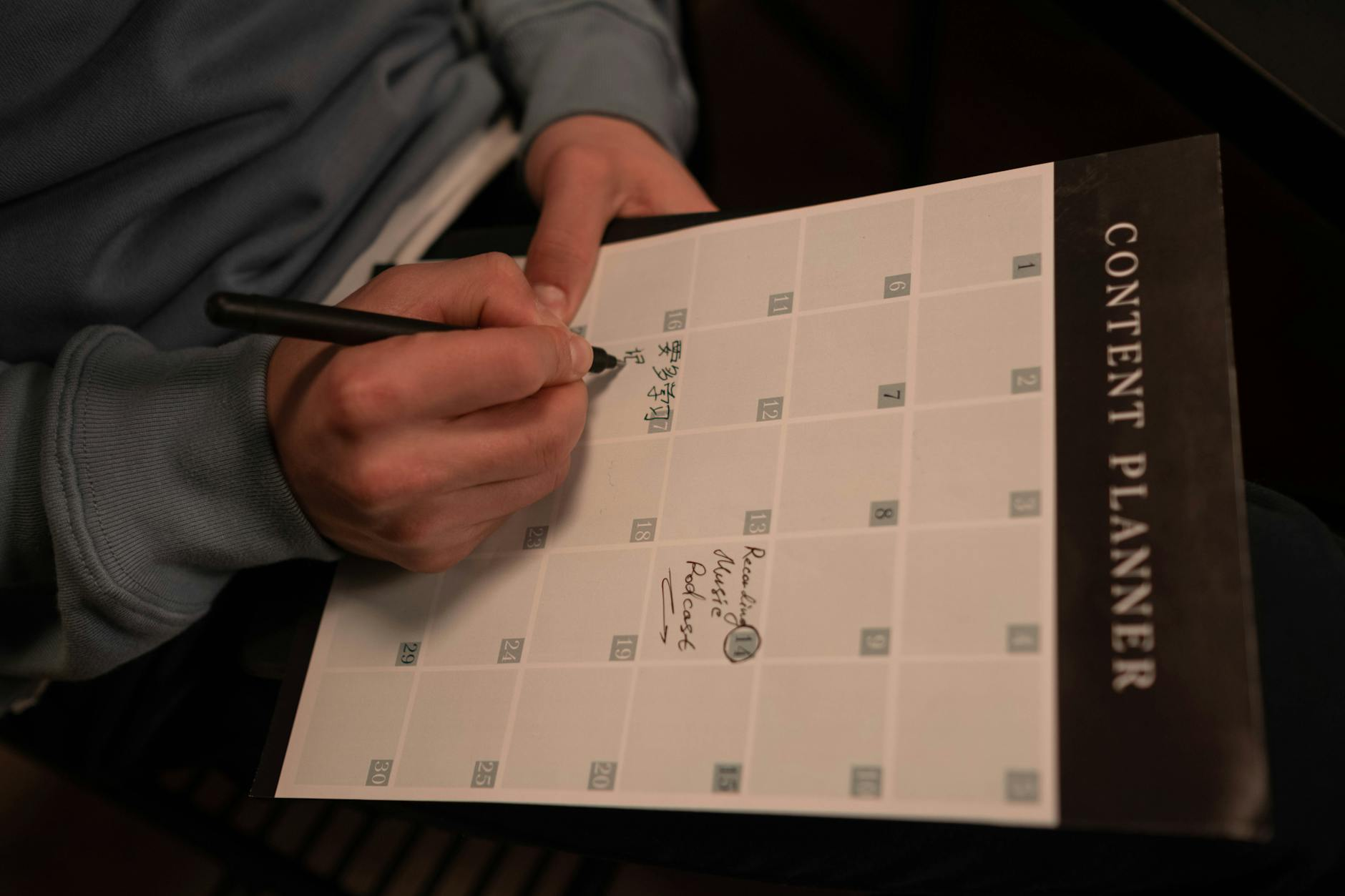
Starting your blog is an exciting journey—full of creativity, learning, and sharing your unique voice. However, before you dive into writing, effective content planning is essential to set a strong foundation. By focusing on brainstorming ideas and structuring your posts, you can craft content that resonates deeply with your audience while staying manageable and goal-oriented.
Step 1: Brainstorming Your Blog Topic
Why it’s important:
Brainstorming is a crucial initial step in content planning. It allows you to identify topics that are both interesting to you and valuable to your readers. As emphasized by Mailchimp’s resource on content planning, a well-conceived brainstorm sparks creativity and helps align your content with your goals.
Tips for effective brainstorming:
- Identify your niche: Think about your passions, expertise, and what your audience wants to learn. According to Feather’s blog on blog content planning, narrowing your focus helps create more targeted and impactful content.
- List your ideas: Write down all potential topics using tools like mind maps, lists, or sticky notes. A broad collection of ideas can later be refined.
- Research trends: Utilize platforms such as Google Trends, social media, and industry forums (as suggested by Sprinklr’s content plan) to identify what resonates most with your audience.
- Ask your audience: If you already have followers or connections, poll them to discover what questions or topics they’re interested in.
- Focus on value: Prioritize ideas that inform, solve problems, or entertain—creating meaningful content that keeps readers engaged.
Step 2: Choosing Your Blog Post Topics
Selecting the right topic is vital to success. Your chosen idea should align with your strengths and be manageable for your first effort. According to First Site Guide’s guide on content planning, a good starting point is choosing a topic that solves a common problem or answers a question within your niche. For example, a travel enthusiast might start with “Top 5 Tips for Planning Your First Solo Trip,” which is specific, valuable, and achievable.
Step 3: Structuring Your Blog Posts
Why structure matters:
A clear structure improves readability and engagement. It ensures that your message is communicated effectively. As recommended by Yoast’s article on managing a growing blog (content planning), an organized outline makes your content more digestible and professional.
Basic structure for your blog post:
- Catchy Title and Introduction: Start with an engaging hook—an interesting fact, a question, or a bold statement—and clearly state what the post will cover.
- Main Body with Subheadings: Break your content into sections with descriptive subheadings. Use bullet points, lists, and visuals to enhance clarity.
- Key Points or Takeaways: Summarize actionable insights or central ideas in a concise section.
- Call to Action (CTA): Encourage readers to comment, share, subscribe, or explore related content. Guide them on the next step.
Step 4: Writing Your First Draft
Focus on expressing your ideas without perfectionism. As Feather suggests in their blog, “don’t worry about getting it perfect on the first try”—the editing process will refine your work later. Keep your tone authentic and approachable, and remember that practice makes progress.
Final Tips:
- Keep your first post simple, focused, and valuable.
- Use visuals like images, infographics, or videos to enrich your storytelling.
- Proofread carefully, and consider feedback before publishing.
Final Thoughts:
Content planning—incorporating brainstorming and structuring—is the backbone of a successful blog. According to Productive Blogging’s guide on content plan, a well-structured approach not only makes your content creation process smoother but also enhances your credibility with your audience. Remember, every expert once started with a simple idea. With consistency and practice, your blogging skills will grow over time.
Happy blogging, and embrace the power of strategic content planning to turn your ideas into impactful stories! For more tips on content planning, check out our blog post titled, How to Plan Your Blog Content: A Comprehensive Guide to Creating a Year-Long Blog Planner. Also, unlock your blogging potential by exploring our blog for expert tips and insights!
Last updated on March 9th, 2026 at 11:20 am
Share this:

Discover more from Qwery M
Subscribe to get the latest posts sent to your email.

Melinda Osman is a content creator and strategist, and the founder of Qwery M. With a background in HR and digital publishing, Melinda empowers readers to thrive in their careers, lifestyles, and blogging. Discover practical tips, personal insights, and join a vibrant community. Learn more—click here.