Why Your Homepage Is Your Brand’s Power Center
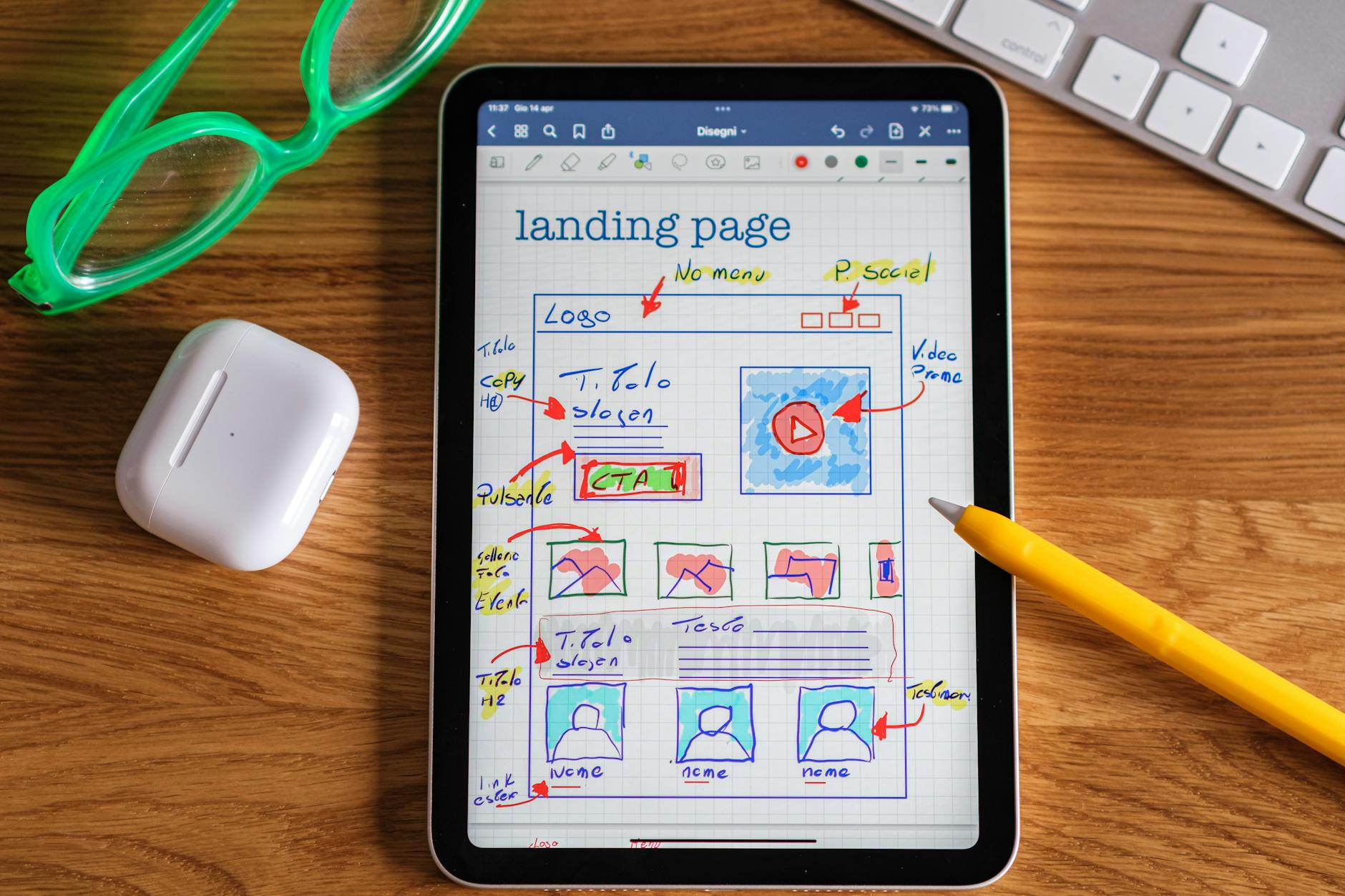
In 2025, your homepage isn’t just a landing page—it’s your brand’s handshake, elevator pitch, and conversion engine. It’s where curiosity turns into connection. And if it doesn’t deliver clarity, trust, and direction within seconds, visitors bounce.
According to Pages.Report, the best homepages answer three questions immediately: Who are you? What do you offer? What should I do next? Let’s break down the essential elements that make that happen.
1. Clear Value Proposition (Above the Fold)
Your homepage must lead with a bold, benefit-driven statement that explains:
- What you do
- Who you serve
- Why it matters
This should be the first thing visitors see—no scrolling required. Use emotionally resonant language that reflects your audience’s goals. For Qwery M, that might be: “Empowering wellness, career clarity, and creative growth—one guide at a time.”
Intelliplans emphasizes that clarity beats cleverness. Your value prop should feel like a promise, not a puzzle.
2. Intuitive Navigation
Your homepage should act like a map, not a maze. Include:
- A clean, sticky header
- Clear menu labels (no jargon)
- Logical category blocks (e.g., Career, Lifestyle, Blogging)
DarwinApps notes that intuitive navigation increases engagement and reduces bounce rates. For Qwery M, emotionally intelligent category blurbs guide users to what resonates most.
3. Emotionally Intelligent Messaging
Your homepage copy should feel like a conversation. Use:
- Inclusive, empowering language
- Short paragraphs and scannable sections
- Headlines that reflect user intent (e.g., “Feeling stuck in your career?”)
This builds trust and connection. Instead of “Subscribe now,” say “Let’s grow together—get weekly tips for your wellness and career.”
4. Visual Trust Signals
People trust people. Include:
- Testimonials or reader quotes
- Partner logos or media mentions
- A friendly photo or illustration that reflects your brand’s tone
These elements build credibility and humanize your brand. Stray Curls recommends using visuals that feel authentic—not stocky or sterile.
5. Fast Load Times and Mobile Optimization
Speed and responsiveness are non-negotiable. Make sure your homepage:
- Loads in under 3 seconds
- Adapts beautifully to mobile and tablet screens
- Uses compressed images and clean code
Making Sense of Cents reminds bloggers that performance affects both SEO and user experience.
6. Strategic Call-to-Actions (CTAs)
Guide your visitors with clear, action-oriented CTAs like:
- “Explore wellness tips”
- “Download your free guide”
- “Start your blog today.”
Place CTAs throughout the homepage—not just at the bottom. Create and Go recommends aligning CTAs with different user intents, such as browsing, subscribing, or buying.
7. Essential Pages and Footer Links
Your homepage should link to:
- About – your story and mission
- Contact – how to reach you
- Privacy Policy – for legal trust
- Blog – your latest content
Include these in your footer for easy access. Elna Cain suggests using footer space for navigation, social links, and opt-ins.
8. Analytics and Iteration
An effective homepage evolves. Use tools like Google Analytics, Hotjar, or VWO to track:
- Bounce rate
- Scroll depth
- CTA clicks
Then refine headlines, visuals, and layout based on real data. Meera Kothand emphasizes that clarity and consistency come from testing—not guessing.
Final Thoughts
Your homepage is your brand’s digital front door. When it’s built with clarity, empathy, and strategy, it invites visitors to stay, explore, and engage. For Qwery M, that means emotionally intelligent messaging, intuitive design, and a clear path to connection. Ready to refine your homepage? Explore Qwery M’s Content Strategy Hub for more tools to elevate your online presence.
Last updated on November 15th, 2025 at 10:02 am
Share this:

Discover more from Qwery M
Subscribe to get the latest posts sent to your email.

Melinda Osman is a content creator and strategist, and the founder of Qwery M. With a background in HR and digital publishing, Melinda empowers readers to thrive in their careers, lifestyles, and blogging. Discover practical tips, personal insights, and join a vibrant community. Learn more—click here.