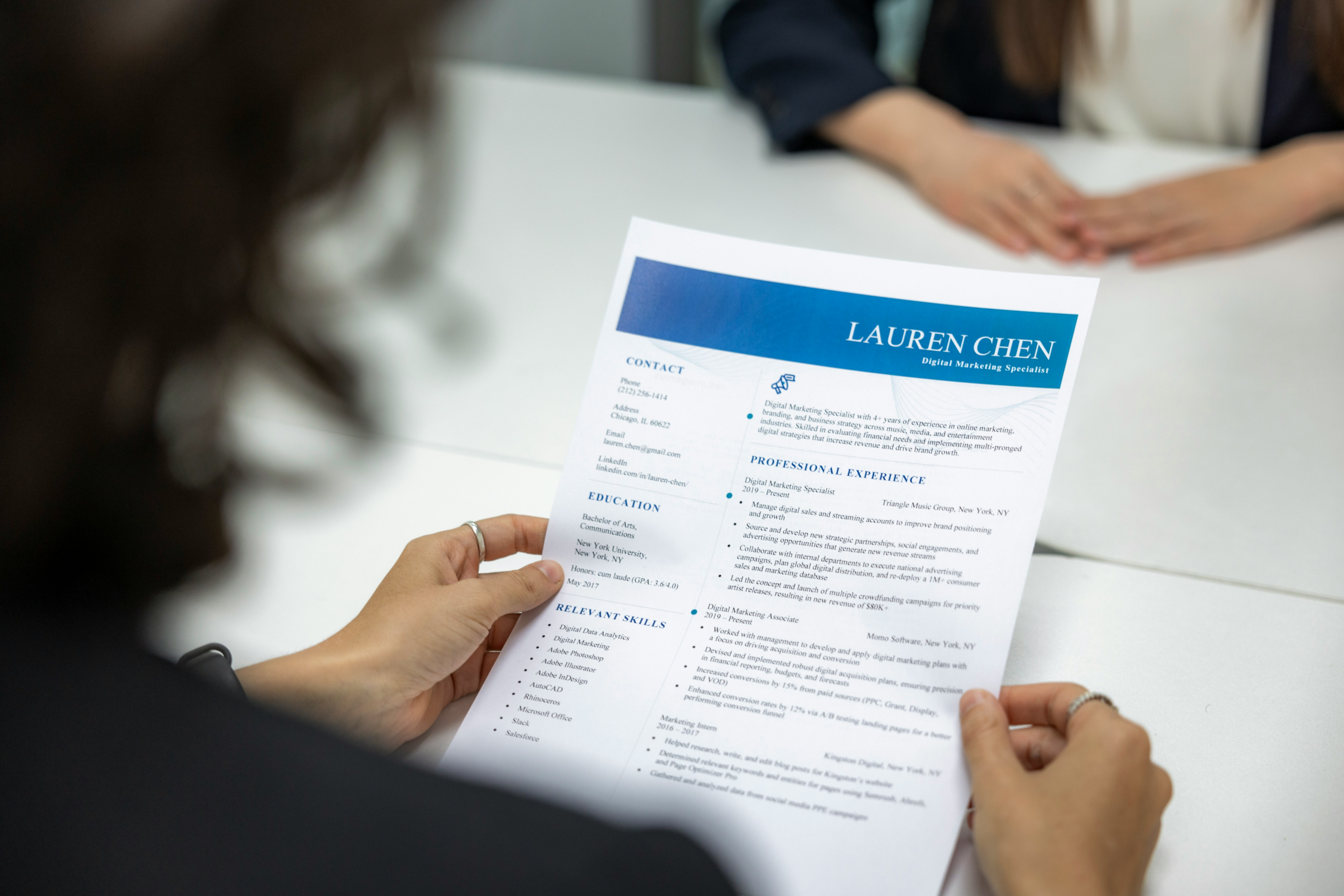
During these challenging times, I decided to submit my resume for review through Indeed’s Resume Service. I was hoping for a few formatting tweaks—but what I received was far more valuable. The reviewer pointed out that my resume was filled with vague responsibilities and lacked measurable impact. It didn’t show how I added value or who benefited from my work.
That feedback stung—but it was exactly what I needed.
The reviewer recommended I explore the WHO/VTI method, a framework used by career advisors at Michigan State University and California State University Bakersfield. It’s designed to help job seekers write evidence-based resume statements that highlight results—not just tasks.
What Is the WHO/VTI Method?
The WHO/VTI method helps you write resume bullets that answer six key questions:
- Who you helped
- What you did
- Outcome or value delivered
- Value or impact quantified
- Tools or techniques used
- Impact measured or described
Instead of saying “Responsible for managing social media,” I learned to say:
“Managed social media strategy for a nonprofit (Who), using Canva and Buffer (Tools), resulting in a 45% increase in engagement (Impact quantified), by creating targeted campaigns and weekly content calendars (What/How), which boosted donor retention (Outcome/Value).”
This version tells a story. It’s specific, measurable, and shows how I made a difference.
How I Applied WHO/VTI to My Resume
Here’s how I rewrote my resume bullets using this method:
Before:
- Responsible for onboarding new hires.
After (WHO/VTI):
- Designed onboarding materials for new hires (Who/What) using Canva and Google Docs (Tools), improving training efficiency by 40% (Impact/Value).
Before:
- Managed internal communications.
After (WHO/VTI):
- Streamlined internal communications for a 50-person HR team (Who) using Slack and Trello (Tools), reducing email volume by 60% and improving response time by 25% (Impact quantified).
Tips for Writing WHO/VTI Resume Statements
- Start with an Action Verb
Use verbs like “led,” “developed,” “implemented,” or “streamlined.” Avoid “responsible for.” - Identify the Beneficiary
Who did your work help? A team, department, client, or community? - Describe the Task and Tools
What did you do, and what platforms or methods did you use? - Quantify the Impact
Use numbers, percentages, or time saved to show results. For example:- “Reduced onboarding time by 30%”
- “Increased customer satisfaction scores by 15 points”
- Keep It Concise
Aim for 1–2 lines per bullet. Use economy of language while retaining clarity.
WHO/VTI Template You Can Use
Here’s a plug-and-play format to help you write your own bullet points:
[Action Verb] + [What You Did] + [Who You Helped] + [Tools Used] + [Outcome/Value] + [Impact Quantified]
Example:
- Led a cross-functional team (Who) to implement a new CRM system (What) using Salesforce (Tools), increasing lead conversion by 20% (Impact).
Why WHO/VTI Works for ATS and Recruiters
Evidence-based resumes are more likely to pass through Applicant Tracking Systems (ATS) because they include relevant keywords and measurable results. They also appeal to recruiters who want to see proof—not just buzzwords.
As Chaffey College Career Services notes, resumes using WHO/VTI help candidates articulate their value clearly and confidently.
Final Thoughts
Receiving that resume review was a turning point. I realized that my resume wasn’t just a summary—it was a marketing tool. The WHO/VTI method helped me showcase my impact with clarity and confidence. Whether you’re applying for federal roles, creative gigs, or corporate positions, this method adapts to any industry and helps you stand out.
Ready to refine your resume even further? Check out resume tips at Qwery M’s Resume and Cover Letter Writing hub for keyword strategies and formatting advice that get results.
Last updated on February 13th, 2026 at 08:39 am
Share this:

Discover more from Qwery M
Subscribe to get the latest posts sent to your email.

Melinda Osman is a content creator and strategist, and the founder of Qwery M. With a background in HR and digital publishing, Melinda empowers readers to thrive in their careers, lifestyles, and blogging. Discover practical tips, personal insights, and join a vibrant community. Learn more—click here.