Lunch is a work habit, not a leftover problem
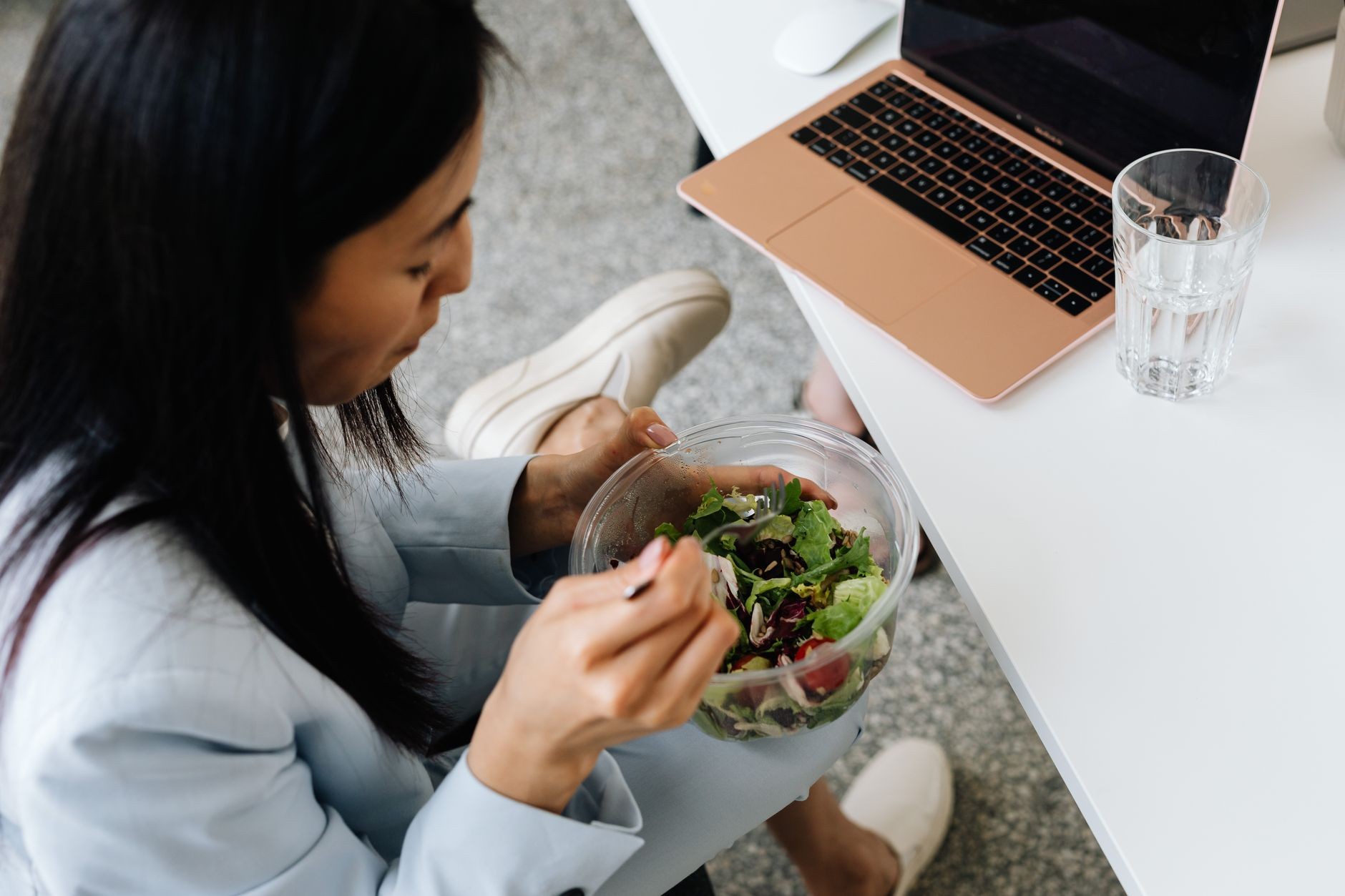
If you eat over email, skip a meal until late afternoon, or let meetings run through the only break on the calendar, the second half of the day is usually harder than it needs to be. That is true whether you are at a job, on a stretch of side-income work, or both in the same day.
This post is a small set of productive routines: when you eat on a workday, how you protect that time, and how you keep meetings from eating it. You’ll find more of those routines in the Work Smarter section.
An earlier post on this blog was a personal account of laryngopharyngeal reflux (LPR) and what seemed to help. That medical narrative is gone on purpose. This is not medical advice, a diagnosis, or a treatment plan. If you have questions about your health, talk with a qualified clinician. This post is about work habits, time, and systems. Nothing here is a reflux protocol, a diet for a condition, or a substitute for a clinician’s advice. If meals, voice, or throat symptoms worry you, talk with a qualified professional.
For a fuller weekday food system, use a simple weekday eating rhythm and, when you want packed-lunch tactics, meal preparation strategies for a return to the office. This article is about the workday itself.
Three habits that protect the middle of the day
1. Plan the meal before you are already hungry
A lunch you have to invent at 1 p.m. is the lunch most likely to be skipped or eaten at the keyboard. Choose a default the night before or during a weekly plan, the same way Nutrition.gov’s meal-planning guides suggest deciding meals first and shopping with those meals in mind.
You do not need a new cuisine. You need a default you will actually eat, and a backup in the bag or the office fridge.
2. Put a real break on the calendar
Time boundaries work for meals too: a block on the calendar, a hard stop before the break if you can, and the recognition that most messages can wait. Twenty minutes with work apps closed is a different break than twelve minutes over a slide deck.
OSHA’s work-process guidance for computer work notes that staying in one position for a prolonged period without a break can fatigue the muscles of the neck and shoulder that support the head, and it recommends variation so there is time to recover. Standing up to get or eat the meal is one of the easiest variations you already have. If you also use short movement breaks or desk-day position changes, the meal can sit in the same transition: end the block, move, then eat.
3. Stop running meetings through lunch by default
You will not decline every invitation that lands on noon. You can decline some of them, suggest a different half hour, or protect two or three lunches a week as non-meetings. If you are the person who schedules, stop treating 12:00 as space.
When a meeting has to sit at lunch, decide in advance whether you will eat before, after, or not in front of a camera—and still keep one other day that week with a real break.
Working from home makes this habit easier to skip, because there is no walk to a cafeteria to force a pause. It also makes it easier to do well: you can put food in the fridge that morning and leave the desk. Office days may need a packed default and a calendar block that looks like any other meeting so colleagues can see you are busy. In both places, the rule is the same. The break is real if the work apps are closed.
If you have an afternoon side-income session, a skipped lunch often shows up there as a shorter fuse or a later start. Treat the meal as part of protecting that session, just as a short movement break can be the bridge between jobs.
Rules that keep the habit light
- Defaults beat novelty. Rotate two lunches, not ten. A lunch you already like is better than a new ‘healthy’ option you will not pack.
- The break is part of the work system, not a reward for finishing a list.
- If you write in the evening, do not skip lunch to “save time” for the blog. The evening session usually pays for that skip.
- This is not a medical elimination diet. Do not copy someone else’s food rules because a symptom once appeared in a headline.
A checklist you can start this week
- Choose one lunch default and one backup for workdays
- Place a 20-minute meal break on at least three days of the coming calendar
- Close work apps during that break; stand up to get the food if you have been sitting
- Move or decline one meeting that is currently eating lunch
- Pack or portion tomorrow’s lunch when you clean up dinner
- At the end of the week, keep only the parts you actually used
Protect the break so the afternoon still works
You do not need a perfect wellness lunch. You need a planned meal, a short protected window, and fewer meetings that swallow that window by default.
Set the break for three days this week and decide tomorrow’s lunch before tomorrow starts. If you already run a weekday eating rhythm, this is simply the workday half of that rhythm: the plan is useless if the meeting calendar eats the slot. Review Friday: which lunches were real breaks, and which were meals in name only? Keep the structure that produced a real break, and change only one meeting or default the following week. For the wider food rhythm and for movement around the same transitions, use the Work Smarter guides—and take any medical questions to a clinician, not to a rewritten blog post.
Last updated on November 24th, 2026 at 03:30 pm
Share this:

Discover more from Qwery M
Subscribe to get the latest posts sent to your email.

Melinda Osman is a content creator and strategist, and the founder of Qwery M. With a background in HR and digital publishing, Melinda empowers readers to thrive in their careers, lifestyles, and blogging. Discover practical tips, personal insights, and join a vibrant community. Learn more—click here.