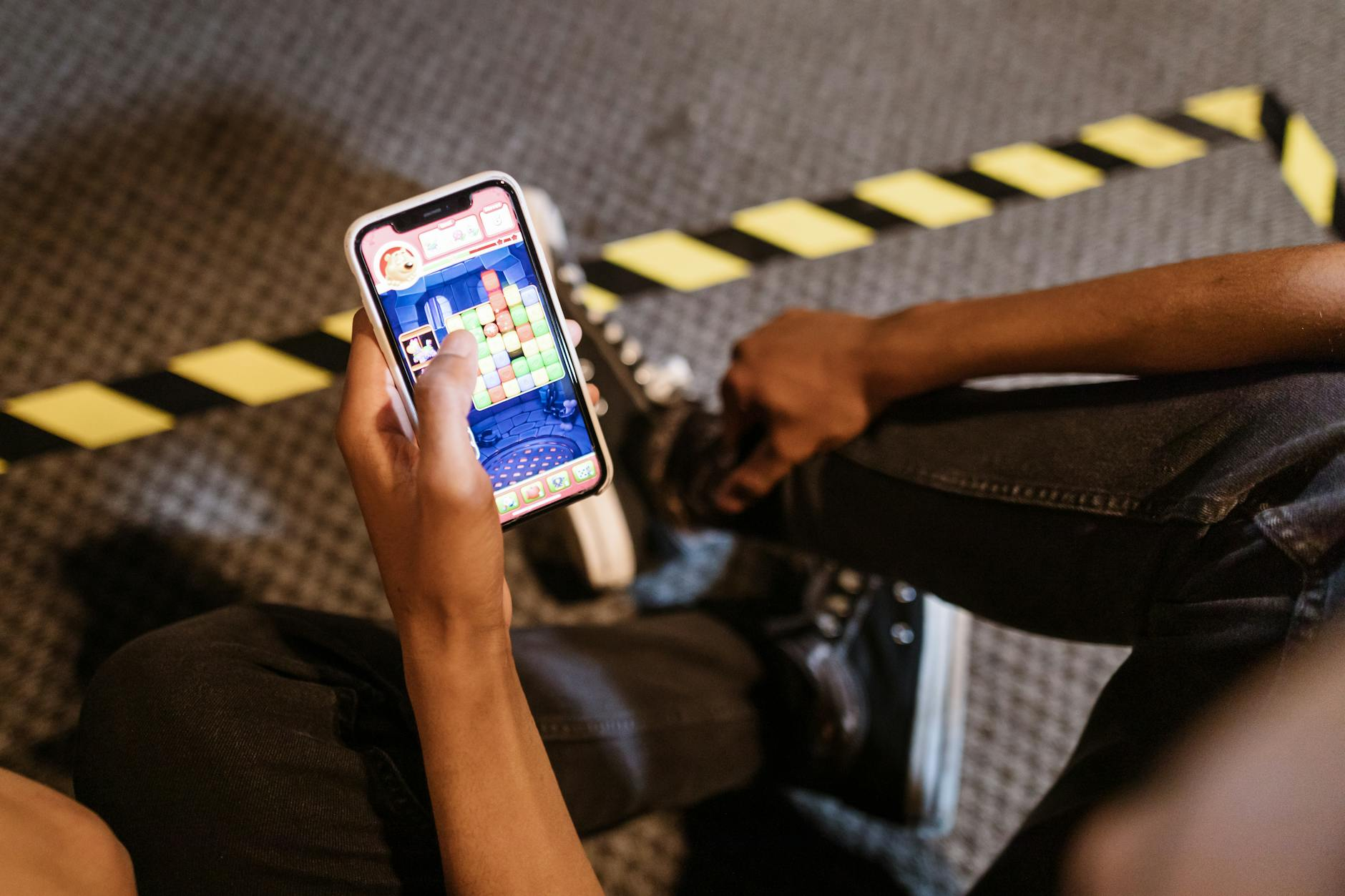
Productive professionals often face a quiet but persistent problem: they struggle to relax without feeling unproductive.
Many high-performing individuals treat downtime as something that must be earned after maximum efficiency. Unfortunately, this mindset often leads to chronic mental fatigue, burnout, and reduced focus.
Work–life balance isn’t just about working fewer hours. It’s about recovering properly so you can sustain high-quality work over time.
One surprisingly effective recovery method is low-pressure leisure gaming.
Unlike competitive or high-stakes gaming environments, low-pressure games are designed for relaxation and gentle engagement. When used intentionally, they can support mental recovery, creativity, and sustainable productivity.
This article explores how low-pressure leisure gaming can become a valuable part of a productivity-focused lifestyle.
What Is Low-Pressure Leisure Gaming?
Low-pressure leisure gaming refers to games that prioritize relaxation, exploration, or creativity instead of competition or performance pressure.
These games typically include:
- Relaxed pacing
- Minimal time pressure
- Flexible objectives
- Low consequences for failure
- Short play sessions
Common examples include:
- Simulation games
- Puzzle games
- Story-driven games
- Creative sandbox environments
- Casual mobile games
Research shows that leisure activities can improve psychological recovery after work. According to the American Psychological Association, recovery activities help restore cognitive energy and reduce stress after demanding work periods.
https://www.apa.org/monitor/2013/01/leisure
Similarly, studies summarized in the Journal of Occupational Health Psychology show that mental detachment from work improves next-day performance and well-being.
https://psycnet.apa.org/journals/ocp/
This means relaxation isn’t wasted time—it’s a productivity investment.
Why Productivity-Focused People Benefit From Low-Pressure Gaming
Highly productive individuals often try to optimize every minute of their day. But the brain cannot operate in a constant state of performance.
Low-pressure leisure gaming helps restore mental energy in several important ways.
Mental Recovery
Focused work drains cognitive resources such as attention and decision-making ability.
Low-pressure gaming provides light engagement without intense demands, allowing the brain to recover.
Benefits include:
- reduced mental fatigue
- improved mood
- stronger focus during later work sessions
Even short leisure breaks can significantly improve mental clarity.
Structured Relaxation
Many productivity-focused individuals struggle with unstructured downtime.
Gaming provides a clear activity with defined boundaries, making relaxation easier to accept.
For example:
- a 20-minute puzzle session after deep work
- a relaxing simulation game in the evening
- short mobile games during breaks
This structured leisure helps relaxation feel intentional instead of indulgent.
Clear Separation Between Work and Personal Time
Remote work and digital workflows blur the line between work and home life.
Low-pressure gaming can act as a transition ritual that signals the brain that work is finished.
For example:
- Closing work applications
- playing a relaxing game for 20 minutes
- shifting into personal evening routines
Psychological detachment from work is one of the strongest predictors of healthy work–life balance.
https://www.sciencedirect.com/topics/psychology/psychological-detachment
How to Use Low-Pressure Leisure Gaming Effectively
The key to productive gaming is intentional use rather than endless consumption.
Here are practical ways to integrate it into a balanced lifestyle.
Set a Time Boundary
Keep gaming sessions short and intentional.
Recommended session lengths:
- 15 minutes during work breaks
- 20–30 minutes after deep work sessions
- longer sessions on weekends
Using a timer prevents leisure from unintentionally replacing important responsibilities.
Choose Relaxation-Oriented Games
Not all games support recovery.
Avoid games that create:
- intense competition
- ranking systems
- constant urgency
- stressful time limits
Instead, prioritize games with calm pacing and flexible objectives.
Good categories include:
- building or simulation games
- puzzle games
- narrative adventure games
- creative sandbox experiences
Use Gaming as a Work–Life Transition
Many productivity experts recommend a transition activity between work and personal life.
Gaming works well for this purpose because it provides immersion without pressure.
Example routine:
- Finish the final work task
- Shut down work apps
- Play a relaxing game for 20 minutes
- Move into evening routines
This helps your brain disconnect from work stress more effectively.
Avoid Turning Leisure Into Another Goal
A common mistake among high performers is gamifying leisure itself.
Warning signs include:
- obsessing over achievements
- feeling frustrated when losing
- trying to optimize gaming performance
Low-pressure leisure gaming works best when it remains playful and pressure-free.
Example: A Balanced Gaming Routine
Consider a remote professional who manages client projects.
Their daily schedule may look like this:
Morning
- Deep work session (3 hours)
Midday break
- 15–20 minutes of a puzzle or casual game
Afternoon
- meetings and collaborative tasks
Evening transition
- 20 minutes of a relaxing simulation game
This simple routine provides three mental resets throughout the day, improving focus and reducing the risk of burnout.
Summary
Low-pressure leisure gaming can support a productive lifestyle when used intentionally.
Key takeaways:
- Relaxation is essential for long-term productivity.
- Low-pressure games provide mental recovery without stress.
- Short sessions (15–30 minutes) are ideal.
- Avoid competitive or high-pressure gaming.
- Use gaming as a transition between work and personal life.
When used wisely, gaming becomes a tool for sustainable productivity rather than a distraction.
Frequently Asked Questions
Q: Is gaming compatible with a productive lifestyle?
A: Yes. Short, intentional gaming sessions can support mental recovery and improve focus when returning to work tasks.
Q: How long should gaming breaks be?
A: Most experts recommend 15–30 minutes for leisure breaks to avoid excessive distraction.
Q: What types of games are best for stress relief?
A: Relaxation-focused games such as:
- puzzle games
- simulation games
- exploration games
- story-driven games
These reduce pressure and encourage calm engagement.
Q: Can gaming help prevent burnout?
A: Yes. Leisure activities that create psychological detachment from work can reduce stress and improve well-being.
Q: Should gaming replace other relaxation activities?
A: No. Gaming should complement other recovery habits, such as exercise, reading, social interaction, and outdoor activities.
Conclusion: Productivity Requires Recovery
Sustainable productivity isn’t about working constantly—it’s about managing your energy wisely.
Low-pressure leisure gaming offers a simple way to recharge your mind, reduce stress, and maintain a healthier work–life balance.
When relaxation becomes intentional, it stops feeling like wasted time and becomes a strategic part of your productivity system.
For more practical lifestyle strategies designed to support sustainable productivity, explore the full archive:
Explore Work–Life Balance Archives – Qwery M
https://qwerym.com/category/lifestyle/work-life-balance/
Building a productive life isn’t only about working smarter—it’s also about resting smarter.
Share this:

Discover more from Qwery M
Subscribe to get the latest posts sent to your email.

Melinda Osman is a content creator and strategist, and the founder of Qwery M. With a background in HR and digital publishing, Melinda empowers readers to thrive in their careers, lifestyles, and blogging. Discover practical tips, personal insights, and join a vibrant community. Learn more—click here.